Indian women can’t seem to have enough of Banarasi silk sarees. It has a rich legacy and feel that few other fabrics can match. The beautiful motifs that define benarasi, are works of artistry. Today, there are quite a few duplicates selling in the market.
In this guide, you will learn to differentiate between the original and fake ones. You need to segregate the best ones from machine-made fake ones, as it is not just a fabric or a garment, it is history, a story, and a work of patience.
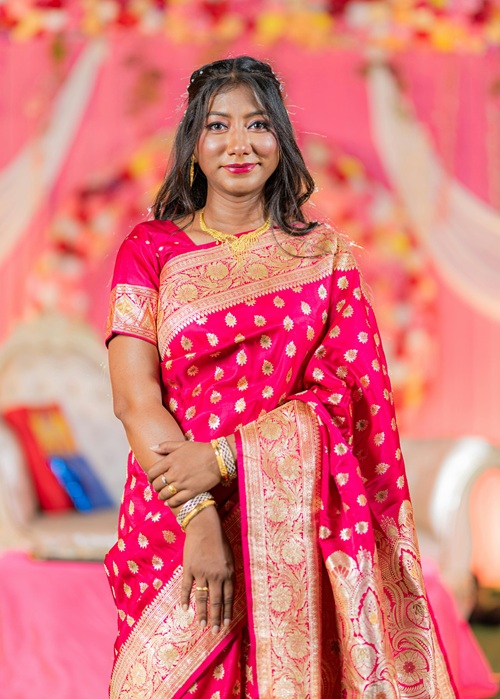
Photo by Fliqa India (Free to use under Pexels content license) Published Date – August 6th, 2025
How Do You Spot Pure Banarasi Silk Sarees?
Banarasi silks are one of the most loved textiles in India, and popular with NRIs abroad. The ensemble textile is shimmery, shiny, light and firm. This handwoven delight has its own imperfections, and if you find something picture perfect, then it is not banarasi.
So, what should you look into?
The Zari
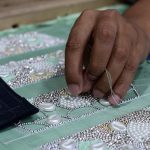
When a stack of banarasi silk sarees are laid out in front of you, check the zari first. Genuine weavers who belong to traditional craftsman families will use real silver and gold threads. They do not look too flashy, but emanate a warmth. Moreover, if you rub them, the colour will not come off.
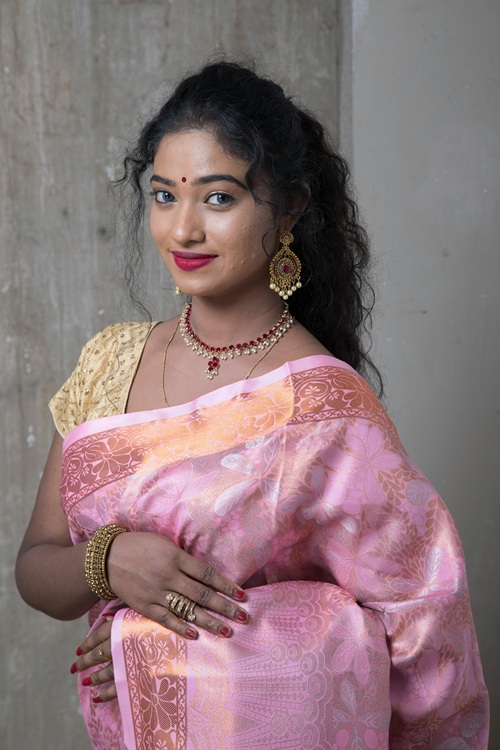
Photo by Milton Das (Free to use under Pexels content license) Published Date – December 8th, 2025
The Motifs
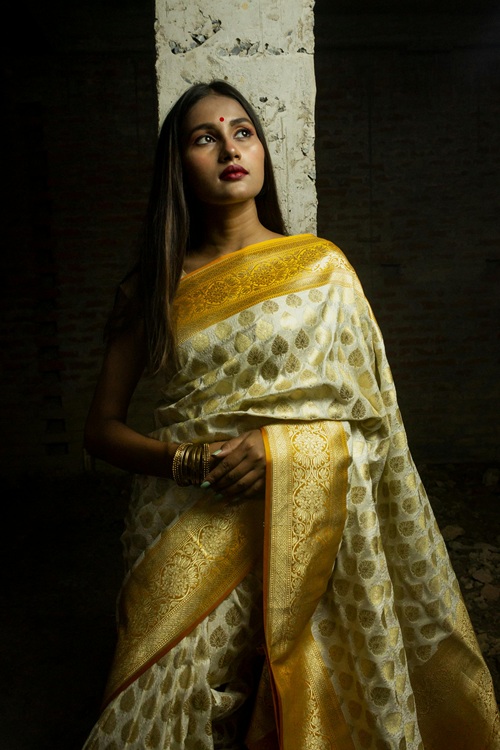
Some of the distinct patterns that banarasi silk sarees will have are mango butas, Mughal-style flora, vines, floral jail, paisleys, temple borders, tear drops and animals. They are dense in weave and detailed. You will find a saree telling a story of its own. The weaves are slightly elevated. If you touch a fake one, the motifs will be flat.
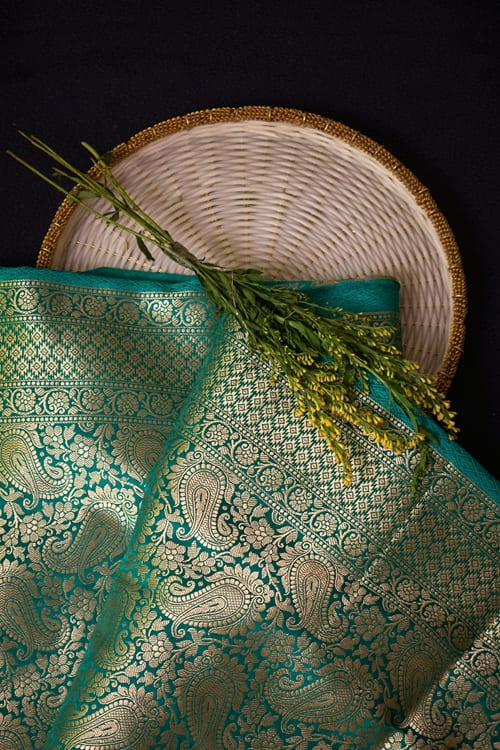
Photo by Atul Choudhary (Free to use under Pexels content license) Published Date – December 12th, 2020
The Weight And Finishing
Pure banarasi silks are always on the heavier side. It is because of the use of original zaris. The saree is crisp in nature.
The Certificate
You should look for the Silk Mart Logo, which is a must for real, handwoven pieces. Pure banarasi silks will also have GI marks. The originals are handcrafted in only six regions, Jaunpur, Bhadohi, Varanasi, Mirzapur, Chandauli, and Azamgarh, all in Uttar Pradesh.
The Price
The high quality of the saree fabric and gold and silver zari, demands a higher price. Moreover, handloom weaving is a long process, so some sarees take weeks or months to make. The original sarees are expensive due to this reason.
Take Away…
So, ensure to keep the above in mind, while shopping for real banarasi silk sarees. Search for imperfections, rather than perfections, to get hold of the original pieces. When you hold of Queen of Indian Weaves, you are not just holding a textile, but history.
Featured Image Credit – Photo by Atul Choudhary (Free to use under Pexels content license) Published Date – January 25th, 2021