Fashion is often perceived as clothing-centric, but accessories play an equally important role in defining personal style. Among these, hair accessories have evolved from being purely functional items to essential style elements. Across cultures and generations, women have used hair accessories not only to manage hair but also to express identity, creativity, and trends. Today, the growing popularity of curated accessory collections, such as those offered by Accessorize, highlights how small details can significantly influence an overall look.
This article explores the importance, types, styling relevance, and historical evolution of hair accessories for women, with a particular focus on hair clips and their place in contemporary fashion.
A Brief History of Hair Accessories
Hair accessories have been used for centuries. In ancient civilizations, women adorned their hair with decorative pins made from bone, ivory, and metals. In ancient Egypt, gold hair ornaments symbolized social status, while in ancient Greece and Rome, hair pins and combs were used to secure elaborate hairstyles.
During the Victorian era, hair accessories became more intricate, often featuring pearls, gemstones, and engraved designs. The 20th century introduced practicality alongside fashion, with the rise of bobby pins, barrettes, and elastic bands. Over time, these accessories transitioned from necessity to style statements, reflecting changing lifestyles and fashion preferences.
Why Hair Accessories Matter Today
In modern fashion, hair accessories serve multiple purposes. They offer convenience, versatility, and an opportunity to personalize one’s appearance without altering clothing choices. For many women, hair accessories are an easy way to refresh everyday looks while maintaining comfort.
The increasing interest in minimalist fashion has also contributed to the popularity of thoughtfully chosen accessories. A simple outfit can be transformed through the addition of well-selected hair accessories for women, demonstrating how subtle changes can have visual impact without excess effort.
Understanding Hair Accessories for Women
Hair accessories come in various forms, each serving different functional and aesthetic needs. Some of the most common categories include:
Hair Clips and Barrettes
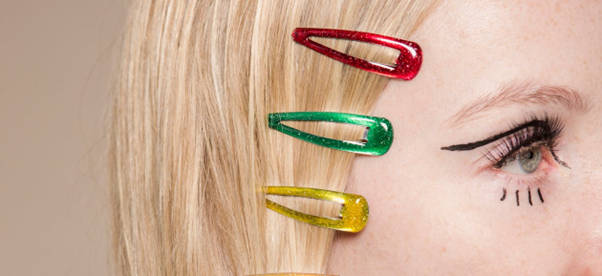
Hair clips are among the most widely used accessories due to their ease of use and adaptability. They can be decorative or minimal, depending on design and purpose. From securing loose strands to holding styled sections in place, hair clips for women are suitable for both casual and formal settings.
Headbands
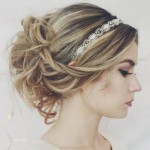
Headbands provide structure to hairstyles while keeping hair away from the face. They range from thin, understated designs to wider, fabric-based or embellished options.
Scrunchies and Hair Ties
Originally designed to reduce hair damage caused by tight elastics, scrunchies have returned as a popular accessory. Available in different fabrics and sizes, they combine function with comfort.
Hair Pins and Slides
Hair pins are typically used for detailed styling, such as securing buns or decorative twists. Slides, on the other hand, often blend function with ornamentation.
The Practical Value of Hair Clips for Women
Among all hair accessories, hair clips stand out due to their practicality. They require minimal effort to use, work with various hair types, and can support numerous hairstyles. Whether holding back fringe, creating half-up styles, or securing buns, hair clips are versatile tools in everyday grooming routines.
The popularity of hair clips for women has grown due to their adaptability across age groups and occasions. Simple clips are often preferred for work or daily wear, while textured or patterned clips may be chosen for social or festive settings. Their reusability and durability also make them a sustainable accessory choice when compared to disposable styling products.
Hair Accessories and Hair Types
Different hair types benefit from different accessory styles:
- Fine hair often works best with lightweight clips that provide grip without pulling.
- Thick hair requires stronger clips or barrettes with sturdy clasps.
- Curly hair pairs well with wider clips or pins that hold volume without flattening texture.
- Straight hair benefits from textured or rubber-coated clips to prevent slipping.
Understanding hair type helps in selecting accessories that are both functional and comfortable, ensuring long-term use and reduced hair damage.
Styling Hair Accessories for Everyday Use
Hair accessories can be incorporated into daily routines without extensive styling knowledge. Simple techniques include:
- Using a single clip to secure side-parted hair for a neat appearance
- Creating a half-up hairstyle with a medium-sized barrette
- Holding a low bun in place using hair pins or claw clips
- Adding symmetry with matching clips on either side of the head
These styling approaches emphasize practicality while maintaining visual balance. Many women prefer understated designs for everyday wear, reserving decorative pieces for special occasions.
Cultural and Seasonal Influence on Hair Accessories
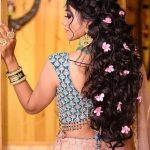
Hair accessories often reflect cultural practices and seasonal trends. In many regions, decorative hair adornments are worn during festivals, weddings, and traditional ceremonies. Seasonal factors also influence material choices — lighter fabrics and open designs are preferred during warmer months, while structured or fabric-wrapped accessories are commonly used in cooler seasons.
Global fashion trends have contributed to the exchange of accessory styles across cultures, resulting in contemporary collections that blend traditional inspiration with modern design principles. Brands like Accessorize reflect this global influence by offering diverse accessory styles that align with evolving preferences.
Hair Accessories as a Form of Self-Expression
Beyond function, hair accessories allow women to express individuality. Choices in color, shape, and design often reflect mood, personality, or occasion. Some prefer neutral tones for consistency, while others experiment with patterns and textures to add character to their look.
The ability to change hairstyles quickly using accessories supports creative expression without commitment. Unlike permanent hair treatments, accessories allow flexibility, making them appealing to women of all ages.
Sustainability and Long-Term Use
In recent years, consumers have become more mindful of sustainable fashion practices. Hair accessories contribute to sustainability when chosen thoughtfully. Durable materials, timeless designs, and multipurpose usage reduce the need for frequent replacements.
Well-made hair accessories for women can be used across different outfits and occasions, supporting mindful consumption while maintaining style versatility.
Conclusion
Hair accessories hold a meaningful place in women’s fashion, blending history, function, and personal expression. From simple clips to structured barrettes, these items offer practical solutions while enhancing visual appeal. The continued popularity of hair clips for women demonstrates how small accessories can adapt to changing fashion trends without losing relevance.
Photo by Michelle Leman from Pexels ( Free for Commercial use)
Image Published on Jan 27, 2021